.png)

Carbon Credits in 2026: Why Big Corporates Are Quietly Stockpiling Them
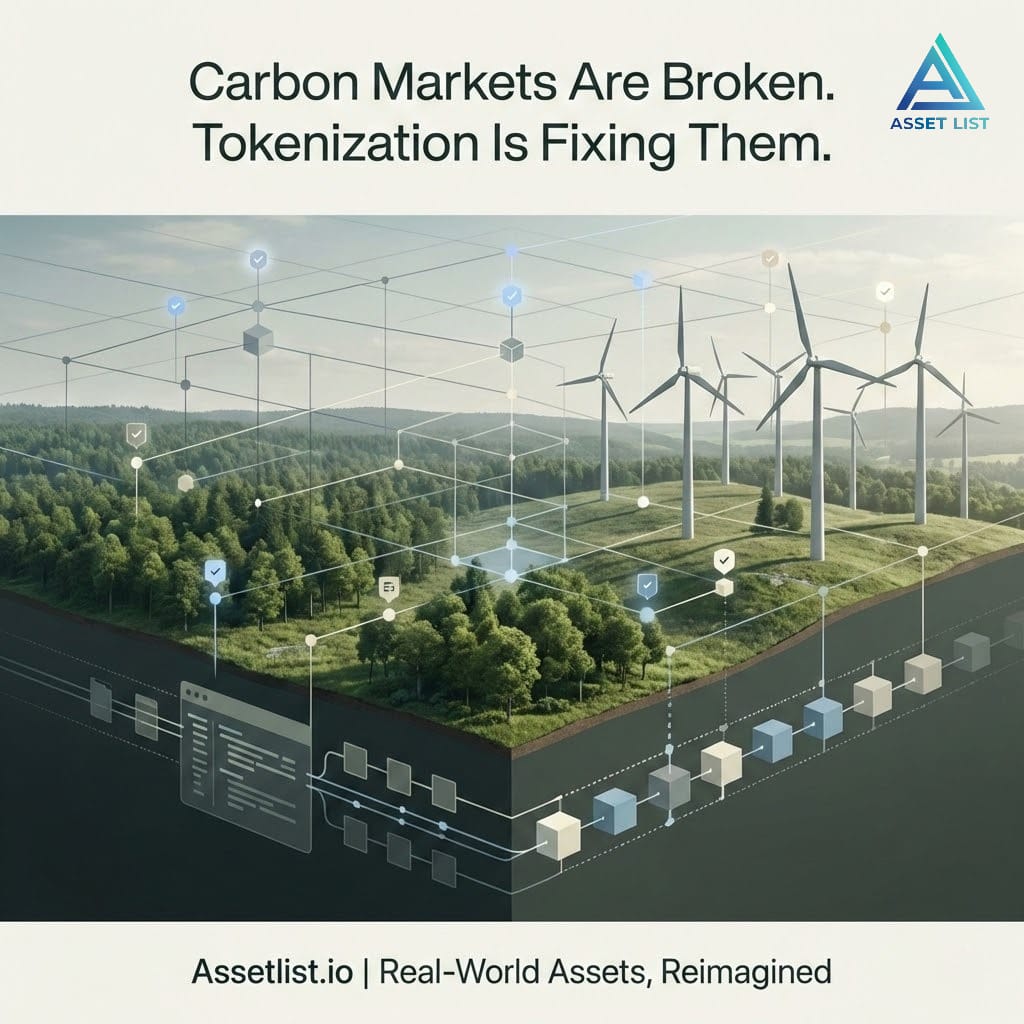
Key numbers shaping carbon markets right now (January 2026):
- Global carbon markets crossed USD 1.2 trillion in cumulative traded value
- High-quality carbon removal credits are trading 3–6x higher than nature-based offsets
- Over 60% of Fortune 500 companies now factor carbon prices into internal financial models
- Corporate demand for premium credits is outpacing verified supply for the first time
This is not an ESG headline.
This is a capital markets story.
The Trigger: Why Everyone Noticed Carbon Credits Again This Month
In early January 2026, Microsoft announced a long-term expansion of its carbon removal strategy committing capital not just to offsets, but to future-dated, high-integrity carbon removal contracts.
This followed similar moves over the past year by Google and Apple, where carbon credits were no longer treated as a sustainability add-on, but as a strategic input cost.
The signal was subtle but important:
Corporates are no longer buying carbon credits reactively.
They are locking them in early, like long-term commodities.
That shift changes everything.
What Changed Between “Offsets” and 2026 Carbon Strategy
Until recently, carbon credits were:
- Purchased annually
- Chosen based on cost
- Managed by sustainability teams
In 2026, carbon exposure has moved to:
- Finance teams
- Risk committees
- Long-term procurement models
Why?
Because carbon pricing is no longer optional it is becoming embedded into trade, compliance, and valuation frameworks.
Carbon Credits Are Now Being Treated Like Financial Assets
Three things stand out in today’s market:
1. Carbon Credits Have a “Quality Curve”
Not all credits are equal anymore. Pricing now reflects:
- Permanence (how long carbon stays removed)
- Verifiability (audit strength)
- Additionality (would this project exist without carbon finance?)
Cheap credits exist but demand is collapsing.
2. Forward Contracts Are Replacing Spot Purchases
Large buyers are securing:
- Multi-year delivery agreements
- Fixed-price future credits
- Preferential access to limited supply
This mirrors how early renewable power markets evolved.
3. Scarcity Is No Longer Theoretical
High-integrity carbon removal projects take years to scale.
Demand, however, is accelerating now.
That imbalance is why prices for top-tier credits are rising faster than expected.
The Real Insight: Carbon Is Becoming Financial Infrastructure
What makes 2026 different is not climate urgency — that existed before.
What’s different is economic inevitability.
Carbon pricing is being woven into:
- Cross-border trade adjustments
- Corporate cost structures
- Long-term capital allocation
Once that happens, carbon credits stop behaving like voluntary instruments and start behaving like infrastructure-linked assets.
Where Investors Should Pay Attention
For investors tracking alternative assets, carbon credits now share characteristics with:
- Early-stage infrastructure
- Long-duration real assets
- Regulation-driven markets
Returns are shaped by:
- Policy direction
- Supply constraints
- Verification standards
Mispricing risk is high but so is the opportunity.
Assetlist Insight: Why This Matters Now
Carbon credits in 2026 are no longer about whether the market will mature.
That question is settled.
The real differentiation lies in:
- Understanding quality
- Timing exposure
- Avoiding low-integrity supply
As carbon markets professionalize, investors who treat them seriously not sentimentally will be better positioned.
Closing Thought
Carbon credits are no longer purchased to make annual reports look better.
They are being secured because waiting may cost more later.
In markets, that is usually the earliest sign of structural change.

.png)